
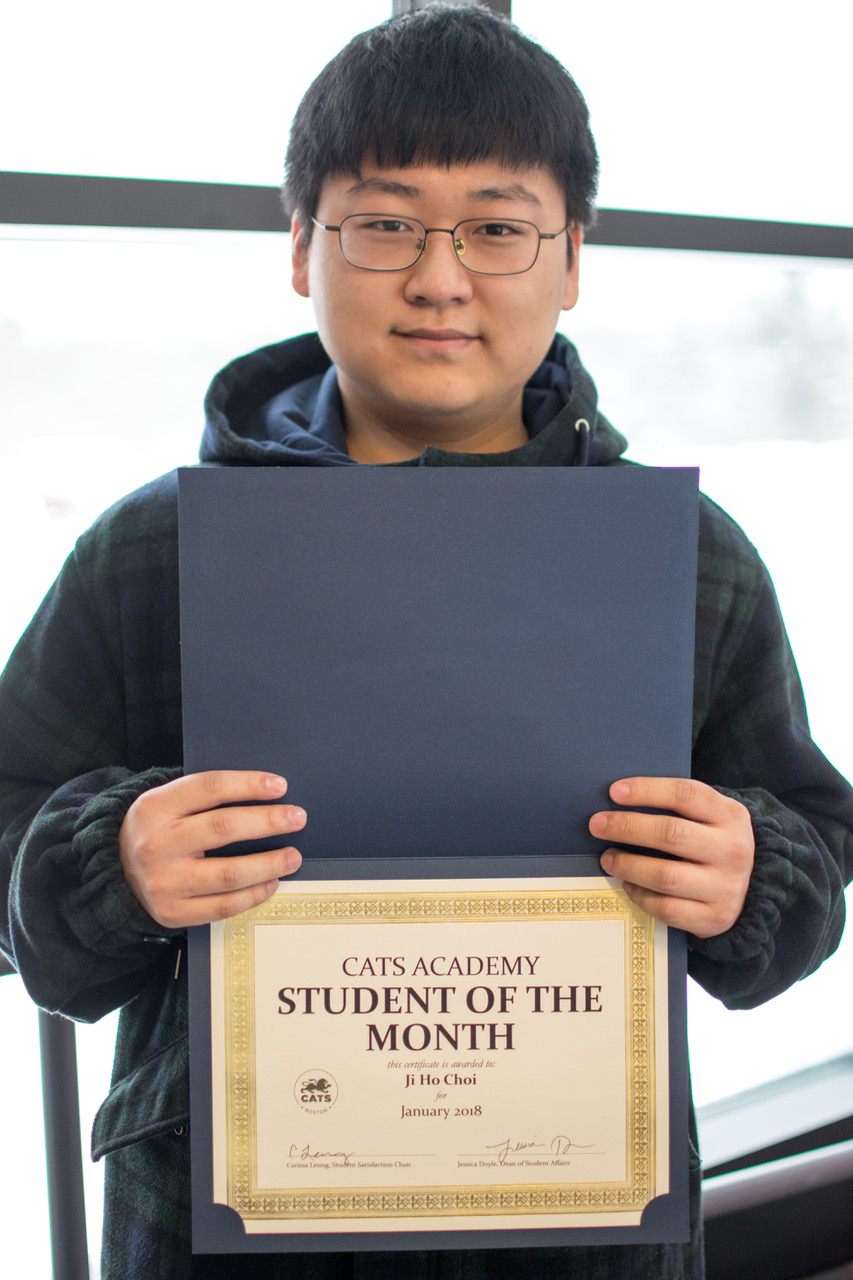
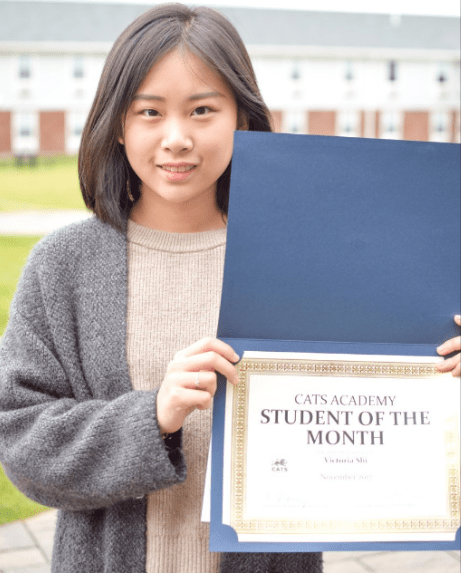
Congratulations Ji Ho Choi!!
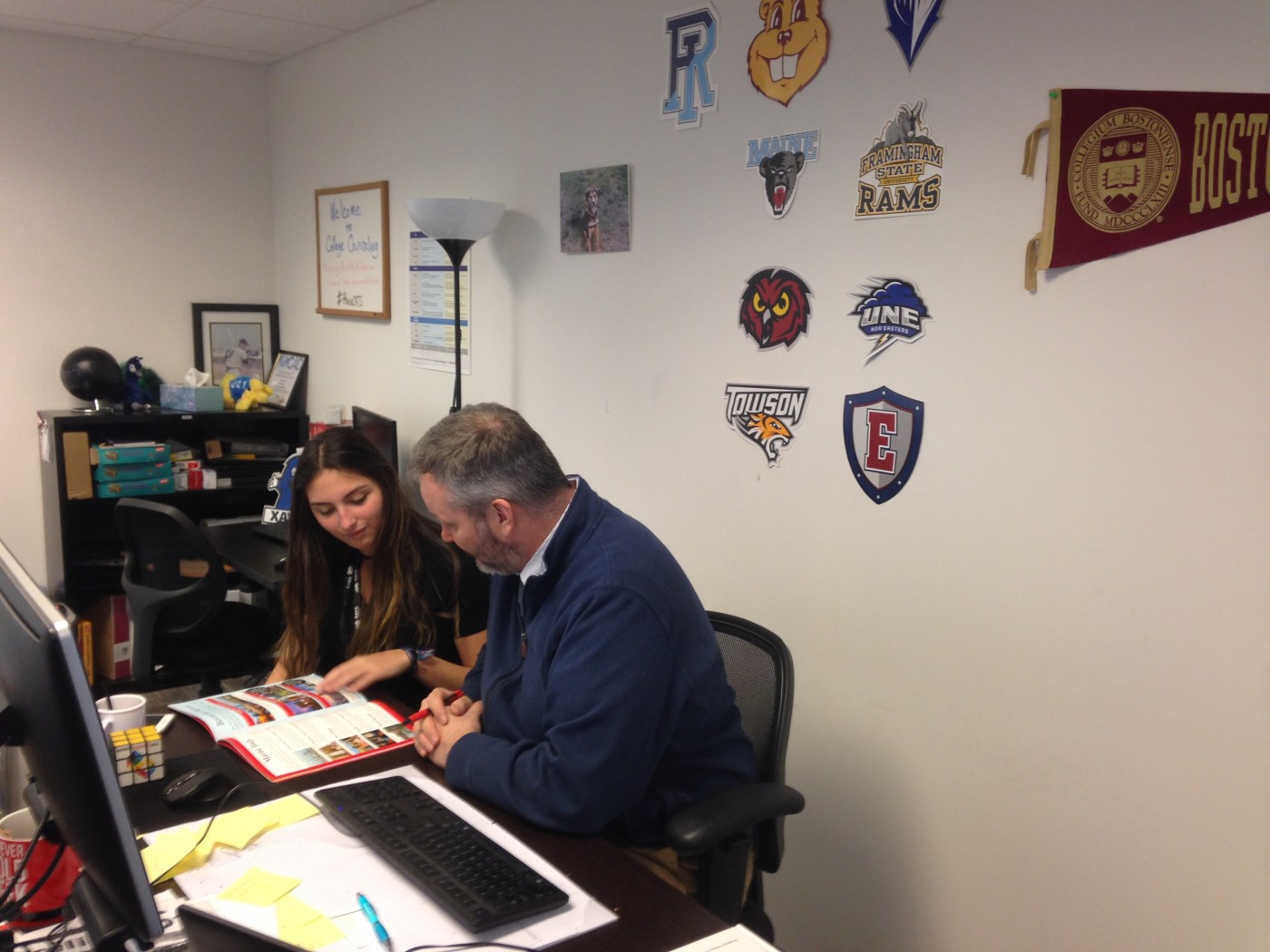
By: Nuray Salina
Recently CATS Academy Boston students met with the College Counselling Team during the School Assembly. Next year Juniors will be Seniors applying to universities, so it is extremely important to meet with the College Counselors this year. The college counseling team here consists of four people: Ms. Smith, Mr. Cassely, Dr. Hooks, and Ms. Roihl. They will become your closest advisors and teachers. Your counselor will provide professional and experienced guidance to you regarding the application process for college admission.
I interviewed Ms. Smith, the Director of College Counseling about her advice for students in their Junior year.
Nuray: Ms. Smith what do you enjoy most about working with CATS students?
Ms. Smith: Well, it’s difficult to say what I like the most because I like a lot of different aspects of being here at CATS, but I think that what I like about working with students on the application process is helping them to realize how many options they have. There are more than 4,000 colleges and universities in the United States. Approaching the process with an open mind and following the right steps in the right order are important. I find CATS’ students to be lovely and diverse. I love hearing the different languages, seeing various friendships develop across home-country lines. I chose to come here because of this diversity and the internationalism of our school.
Nuray: Ms. Smith, what advice would you give to Juniors?
Ms. Smith: In terms of college applications, Junior year is very important. It is the last complete academic year that a college will see in reviewing applications, so these grades are very important. In the fall, students receive quarter grades but they are unofficial. If you’re applying early, we inform admissions offices about the current course work, but mostly colleges use the first semester grades for the Senior year. My message to Juniors is to be the best student you can be in all of your classes, be responsible, be punctual if not early, and, come see us! We would like for you to meet with College Counseling so that we can get to know you. We want to learn all about you – not only your academic performance, but also about your family, about your interests in terms of activities or sports or community service, and what you want to do after you graduate from CATS.
Nuray: So, you are welcoming students to come to your offices and talk to you, to ask questions about the process and school they are interested in?
Ms. Smith: Yes, absolutely. Ms. Roihl, Dr. Hooks, Mr. Cassely and I are ready to meet with you whenever you want to come and see us. Of course, sometimes we are in meetings, but we maintain an open door policy. Any student is welcome. And sometimes we come find you!!
Nuray: Ms Smith, should Juniors start preparing any documents, or essays, for their application process this year?
Ms. Smith: We will discuss this with students as we prepare for their Senior year and college applications, but if a student writes an essay this spring for their college applications next fall we would hope that the student would revisit the topic, the writing, and update it. Students who want to share with us something that is not evident on their grade reports or in their activities, anything that may impact their applications, please come and speak with us so that we can advise you early. International students whose native language is not English will need to submit TOEFL scores as part of their applications. Please come and see us if you have questions or problems getting these done.
Nuray: Do you think a student’s’ active participation in activities both in school and out-of-school helps them in terms of their college applications?
Ms. Smith: Absolutely! Colleges are looking for students who express interest in activities which involve working to improve the social aspect of their community or an environmental aspect of our world, issues about social justice and human rights, and simply helping their community with kindness and caring for others. The activities you choose should be something personally compelling to you as a student. Consistently doing something that demonstrates to colleges that you have an ability to think outside of yourself, to take actions for others, and for the world and a very special addition to any application.
Nuray: What do you think is the worst mistake students could make in their Junior year? I mean a mistake that would badly influence our applications. What shouldn’t we do?
Ms. Smith: Don’t procrastinate, do not put things off, do not wait until the last minute….and that has to do both with your academics as well as the college application process. And be good citizens of the CATS Community; obey the rules, take care of others.
Nuray: I think a lot of CATS students want to apply to the famous “Ivy League” universities. Are they very difficult to get into? What can students do to improve their chances of acceptance?
Ms. Smith: The “Ivies” are perceived to be the most selective colleges. It means that they admit less than 10% of their applicant pools, and that’s because the chances of admission are a function of numbers. I think that the most important thing for international students are their English skills. They must demonstrate fluency – a true ability to speak, to read, and to write in strong English, to be able to synthesize ideas and analyze them in English. They also must have a superior academic record while pursuing the most rigorous courses offered by the school. The next thing that these colleges are looking for is the student’s involvement in something outside of school that improves the world, whether it is their local neighborhood or working for a global issue. For the Ivy League colleges these three things are the most important.
Nuray: Ms. Smith, is their a most appropriate number of AP courses that would improve a student’s students chances to be accepted by a good university?
Ms. Smith: Although the Common Application asks for the number of AP or Honors courses in a student’s course history, as I just said, they want to see that the student has chosen a challenging path, and that path is always unique to that student.
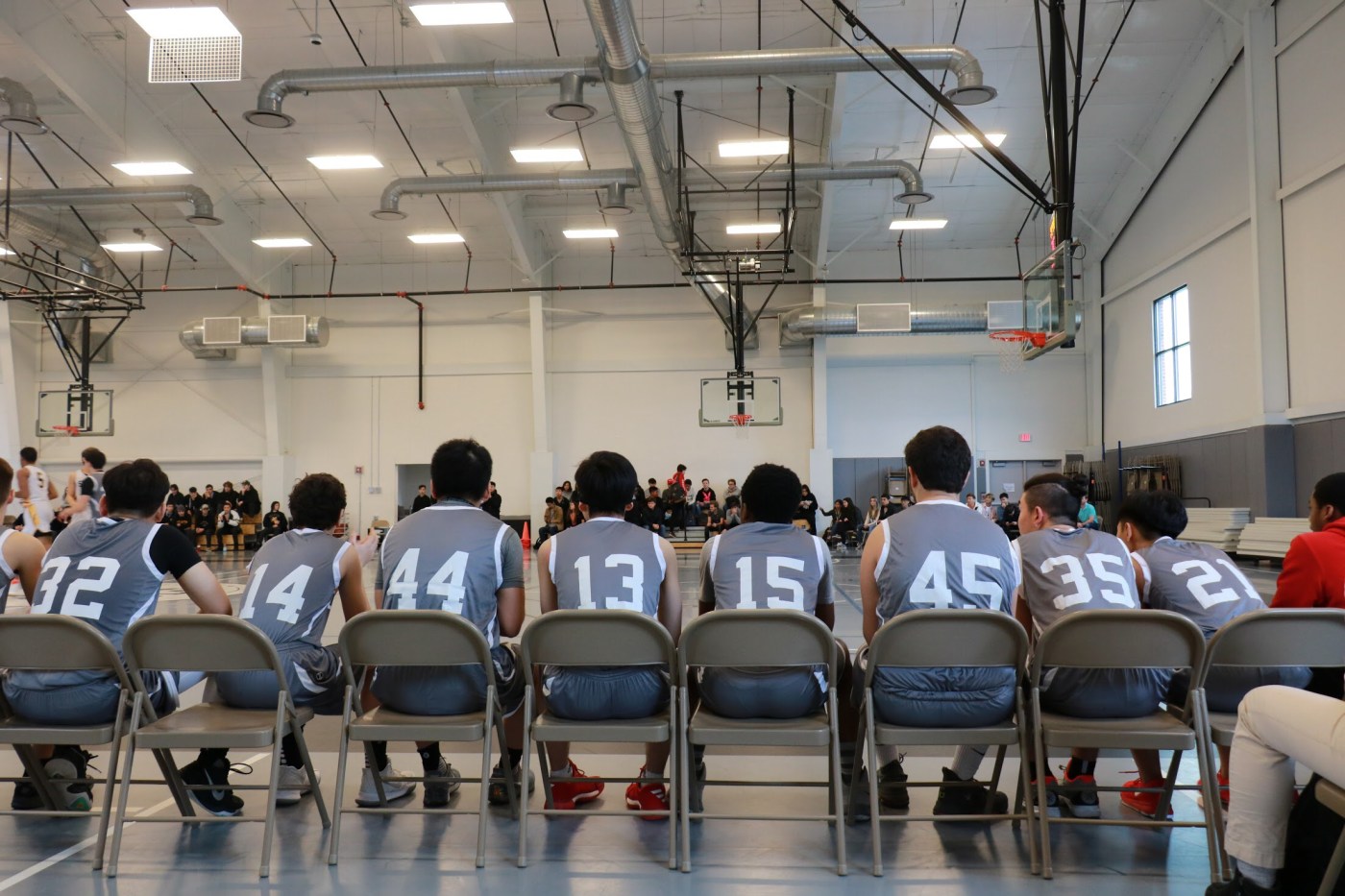
By: David Lazbin
The season looks promising for the CATS Academy Boys’ Varsity basketball team, it has had only three loses so far. The current squad may in fact be the most skilled varsity boys’ basketball team that CATS Academy has ever had.
Our Varsity basketball team has shown great success this season, despite its recent loss to the St. Andrews team. The team showed great perseverance and mental toughness in the great home bounce back victory against Chapel Hill-Chauncy Hall. We played with energy and tenacity and the support of our fans and cheerleaders added to the positive and invigorating environment. Athletic Director and Co-Head Coach Wilkins provided some inspiration the team prior to the game noting that, “this will be a great game to get better and show what we are capable of doing on a nightly basis.” In addition to that our Varsity Boys Co-Head Coach O’Brien added, “our goal has been and will continue to be to battle through adversity and continue to get better each and every day”.
I would also like to call attention to the recent success of the CATS Girls’ Varsity Basketball. They beat the Woodward School Girls’ Varsity basketball team on January 23. It was an extremely close game which ended with 24-23 showing on the scoreboard. This game helped catapult the CATS Girls’ Varsity basketball team into 1st place in the GIL and handed Woodward their first loss of the season.
Griffin fans should look forward to our upcoming games, including what most people see as the game of the year for the boys varsity team on February 12 as we face Middlesex at home. The team looks to even the season series with the support of our fans.
Lets go Griffins!
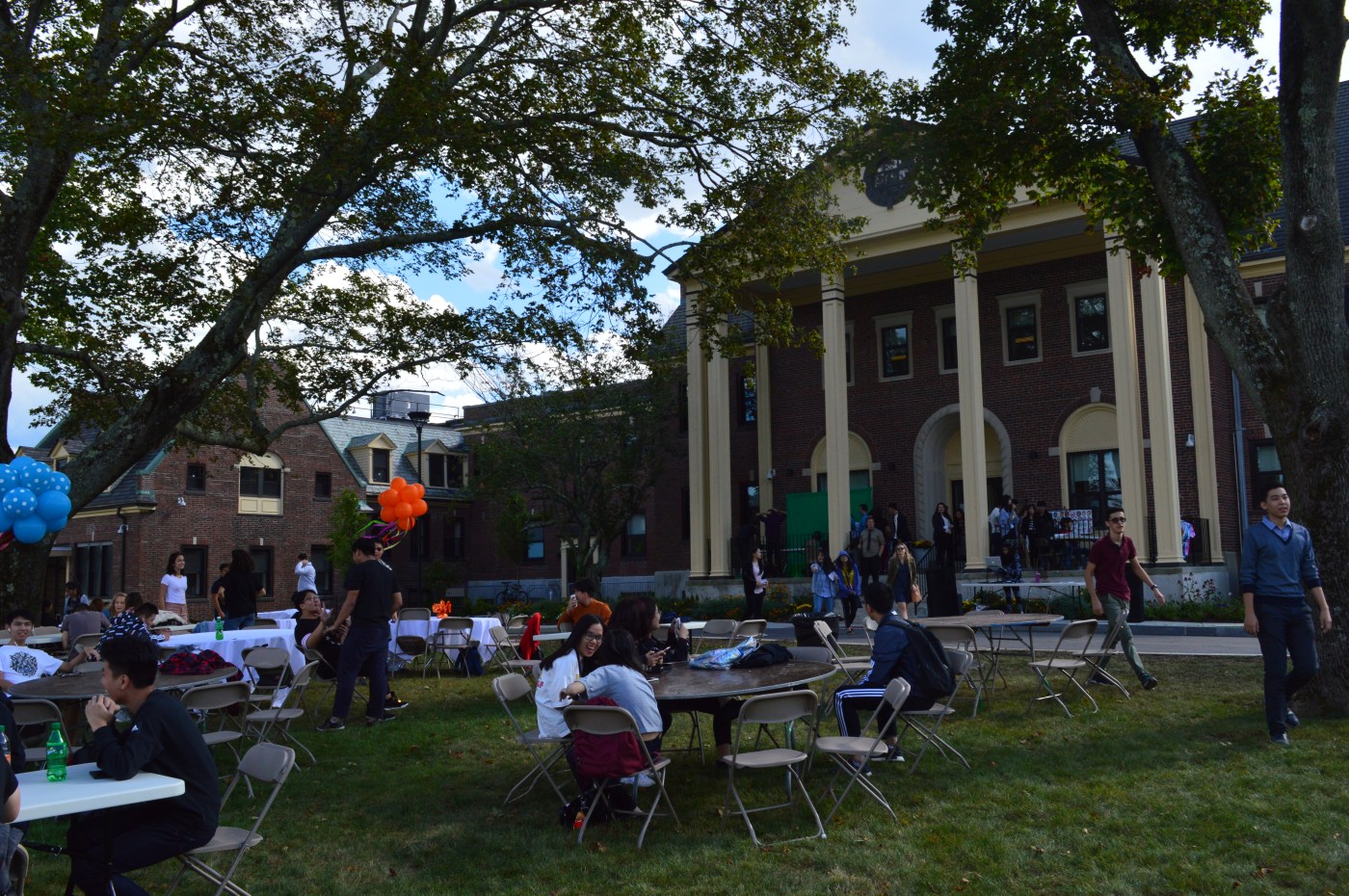
By: Sasha Chernysehva
What is the Culture Fair? The Culture Fair is your chance to represent your country, make your culture a little more familiar to everyone, or display the aspects of your country that you are proud of. You will see students participate in a fashion show, make their national foods, perform their traditional dance, or sing their country’s music. Each culture has its own traditions and the Culture Fair is a unique tradition at CATS. We encourage you to participate and look forward with enthusiasm to the this important event this year!


By: Howard Ng
The fall semester has passed and CATS Academy Boston now proceeds into the second semester. The school is delighted to welcome all new and returning students to be members of this welcoming and diverse community. On January 24th, an interview was held with the Head of School, Mr. Angell to discuss his plans for our wonderful school (This article is based on the summary of Mr. Angell’s ideas and rather than a word by word responses).
Mr. Angell, what is your vision for CATS Academy? In five years, how do you think CATS Academy Boston will be different than today?
It is evident that CATS is a very young school with a incredibly diverse community of talented and willing to learn students. In order to enrich the learning environment for our school and enhance the learning environment for our students, Mr. Angell has many plans and projects in the works. Some general ideas include, improving the school curriculum and adding to the already wonderful school facilities. The new dormitory, which is slated to be completed next school year will also bring anticipated growth of the student body.“We will be able to include a lot more wonderful kids in our school,” said Mr. Angell.
Mr. Angell, what are some changes that you think will be made before the beginning of next school year?
Students who are very athletic may be pleased to hear this. Mr. Angell hopes to improve the school’s athletic offerings as students are getting more involved in athletics at our school. A major change that he hopes to realize is to create a better soccer field for our soccer and ultimate frisbee teams. At the same time, Mr Angell desires to change the school’s weight room. “We want to be able to offer a larger area for students to use.” By doing this, students will have a much more accessible weight room for those who like to participate in clubs, activities, and sports and still be able to workout during the evening hours. Mr Angell would also like to improve the offerings of the fine arts department, notably by improving the availability of instruments to students at the start of the next school year.
Mr. Angell, how will CATS Academy continue to enhance the learning experience for students in the coming years?
Mr. Angell responded by stating, “ [CATS Academy Boston needs to ] make sure that our students are ready and able to get into the best possible colleges here in the United States”. In order to accomplish this goal, there is a constant quest to refine the instruction quality and academic program.
The new CATS Innovation program currently features more STEM and STEAM course offerings .Mr. Angell gave many accolades to the faculty who helped morph the CIGB (CATS Institute of Global Business) into this enhanced program. “CATS Innovation targets specific interests of students and enhances their attractiveness to colleges and universities by allowing students to take classes others school don’t offer,” added Mr. Angell.
Mr. Angell, as an administrator, what are your plans to ensure CATS Academy is sustainable?
Mr. Angell relayed how he values the diverse CATS Academy Boston student population as being key to the sustainability of the school. He stated, “The number one priority is making sure that we have lots of students here. Every school is based around the fundamental foundation of its students.” Mr. Angell wants to make sure that CATS will continue to attract great students from all over the world to study in a great learning environment. Mr. Angell concluded by saying, “The better we make CATS Academy Boston, the more students will want to come here.”
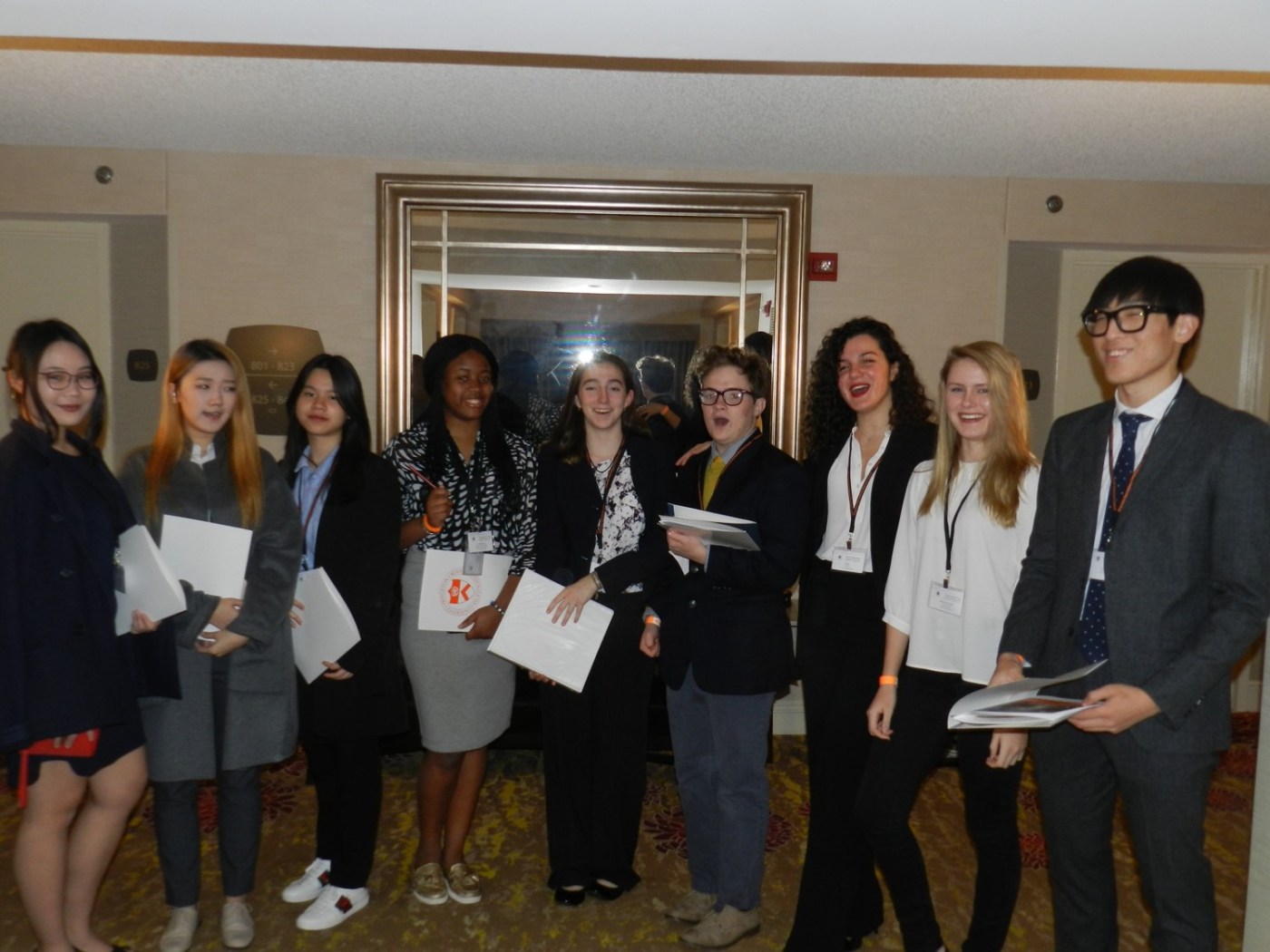
By: Amber Nguyen
We checked in at the hotel after a day-long trip. Everywhere, people were striding with confidence. Their heads straight ahead, Starbucks in their hands, pens and paper clipboards neatly spread on the tables, and attire as professional as CEOs of multinational corporations. It was only the meet-and-greet session, the first day of the Princton Model United Nations Conference (PMUNC), yet most seemed to have their plans already mapped out. It was then that I felt slightly intimidated. Princeton MUN goers were intense and passionate, which was overwhelming for me. I stood in a corner dressed in jeans, a graphic tee, and a bed-head. Covering tired eyes, I thought about the next few days with excitement.
Nine students and two advisors from CATS Boston took their seats for the opening ceremony. It was a formality and involved a college-style lecture about something that was meant to be important. I could have easily forgotten it just like any other opening ceremony if not for the eloquent speeches and humorous deliveries of the PMUNC organizers, who were all Princeton students. The way they spoke with self-assurance while making fun of their peers contradicted the ideal model of people in fancy business suits. The whole audience seemed to agree by bursting out laughing whenever the Secretary General jokingly called out his friends.
After dinner I searched for my committee room on a maze-like floor. There were so many more people there than I had previously imagined there would be. Everyone seemed occupied in clusters of people, likely from the same committee. Although most of them were strangers to each other, they quickly established comradery with polite introductions.
Then, the first committee session took place. My committee – the International Criminal Court (ICC) – went straight into business. The chair introduced the procedure briefly before calling on the first case. ICC is a specialized committee and does not function like normal general assemblies: we were a court. Therefore, each individual did not represent a country, but rather a judge for the court. Each team had four to five judges, and were appointed to defend, prosecute and judge different cases. Judges were all unfamiliar to each other, and I was no exception. My team were lucky (or unlucky due to the strain from travelling previously in the day) as the chair looked favorably upon the defense of Ariel Sharon. With extensive research and background checks, I realized that Sharon was almost impossible to defend before the ICC for the crimes of Genocide that he committed. With minimal contribution in the opening statement, I went back to CATS meeting at 11pm in defeat.
The next day was the campus tour and two committee sessions in the afternoon until the evening. After a late arrival to the hotel, I burst into the committee room with adequate preparation that I have gathered the whole morning. My teammates did incredibly well, and the witnesses we cross-examined were all giving answers to our favor. I caught up with the fierce flow of the court and began to actively participate in every case. Outside the sessions, our team met up for more tranquil times to prepare for our next arguments.
We functioned independently then came together as a group to put our ideas into a logical schedule. With sharp questions and distinctive observations (and tons of notes scribbled with ugly hand-writings), my team won the first case and successfully defended a man who was – as the chair said – completely guilty. Now, if it was reality, we would have felt terrible. Still, the simulation of a real-life event was what PMUNC (and MUN in general) is all about. It was a special event for high schoolers to take up roles and emerged themselves in the world of professional politics. Nothing was clearly white nor black, and one’s logically assessments were the key to determine a specific case. After all, our team ended winning another case – the prosecution of Tony Blair – and fairly pronounced Harold. S Truman as guilty.
After four days of hard work and determination, I left PMUNC with pride, friendship, experience and knowledge. Before leaving, we took a walk down the famous Times Square. On the bus back to school at 8pm, I thought of the event thoroughly and decided that Princeton Model United Nations Conference was a great thing before falling asleep.
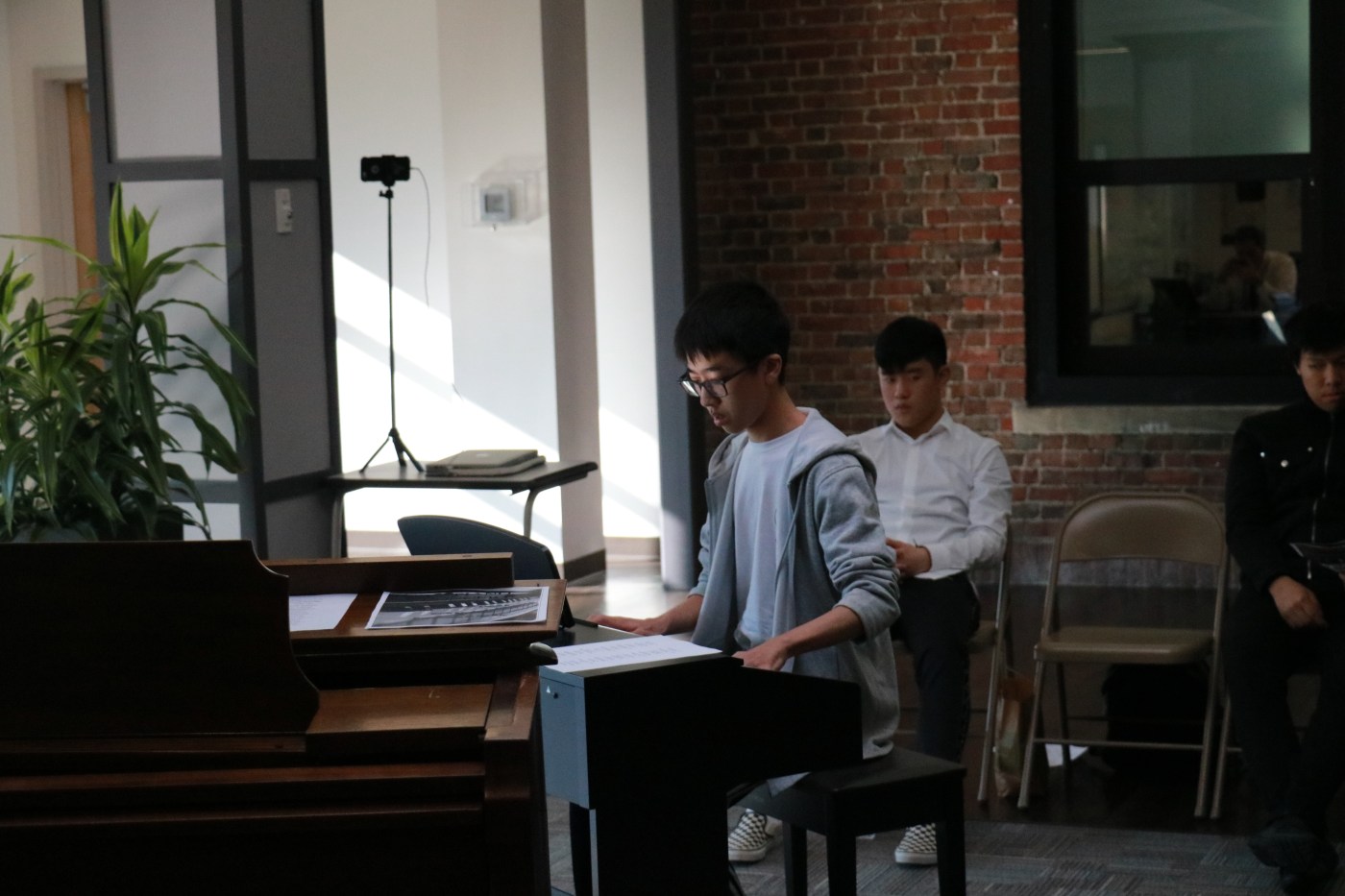
Courtesy of Anastasia Dvoryanchikova
https://drive.google.com/open?id=1at0eLK9UEzaJ4UfOpLrpulGFwvBzhZ0P
https://drive.google.com/open?id=1PVx4_zARewh78saomYtSO85ggP-LjyQw
https://drive.google.com/open?id=1ad0eL_n7WfYJffpG8F3hXikRVocajdfy
https://drive.google.com/open?id=1XeLX7-KDwbh9n07OSf57YitSPtUUPNkL

 CATS Academy Courier