Search

CATS Academy Courier

"A Trusted Students News Source with an International Twist"

The Underlying Issues Behind the Transgender Access Laws

By: Gabriela Santana

Supported by the Obama administration, but not made into Federal Law, the Transgender Access Laws are a set of state frameworks which are aimed to give transgender students the right to access their schools’ bathrooms and locker rooms which match their gender identity.

While there has been a lot to argue, for and against, the recent administration is against the Access Laws. President Trump revoked the previous guidelines on February 22th. All the eyes are now on Gavin Grimm, a junior in Gloucester High School in southeastern Virginia, whose lawsuit against his school district is going to be heard in Washington at the end of March. This lawsuit is fundamental, as it could become a wide-ranging guideline on transgender rights for the United States.

Until then, president Trump’s repeal of the previous guidelines leaves each state to decide.  So far, many states are drafting bills to prohibit transgender people to use the bathroom, while others have embraced the previous administration’s guidelines.

Schools, on the other hand, have been in the center the controversy. In Chicago, for example, transgender students have been asked to use different changing and bathroom facilities raising an issue over discrimination similar to the “Colored Restrooms” in the 1950’s.

While uncertainty surrounds what will happen in Washington on March, most transgender students nation-wide must feel comfortable to be protected in an educational system that is structured to bring the best of their students, regardless of their gender identity.

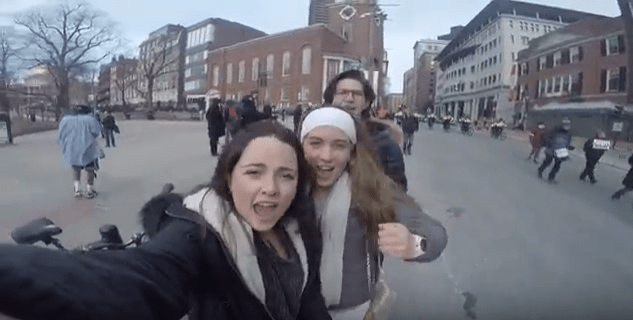
A Day in Harvard Square Video

By: Jimena Garcia Sotomayor

Access the video by clicking: https://drive.google.com/file/d/0B-_1V7D3y29UaHFVZEpxUHV2SFU/view

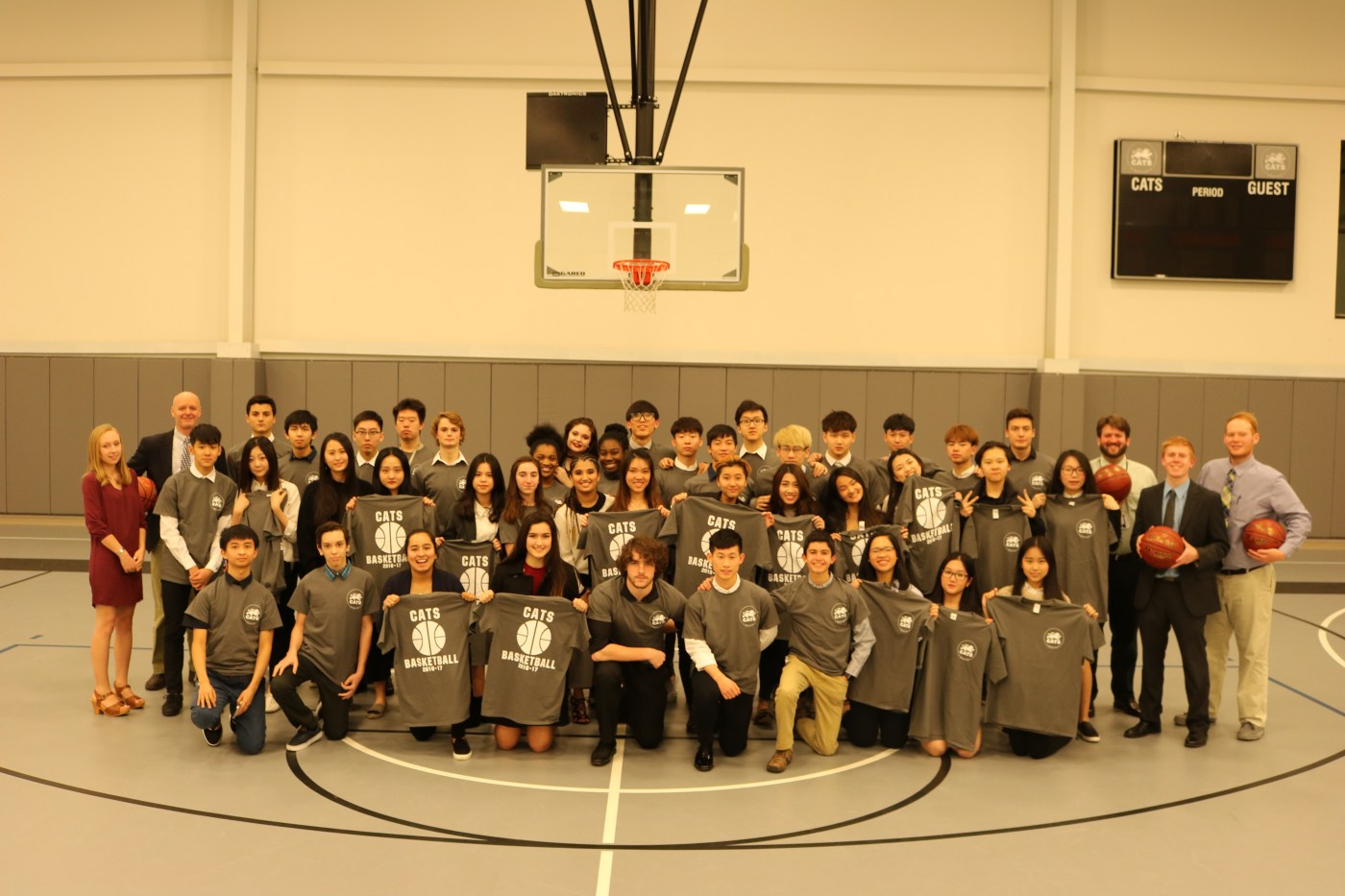
Basketball and Crew Banquet

THE SUN ARRIVES LATER, THE LIFE OF THE THEATRE BEGINS NOW

By: Jennifer Phan

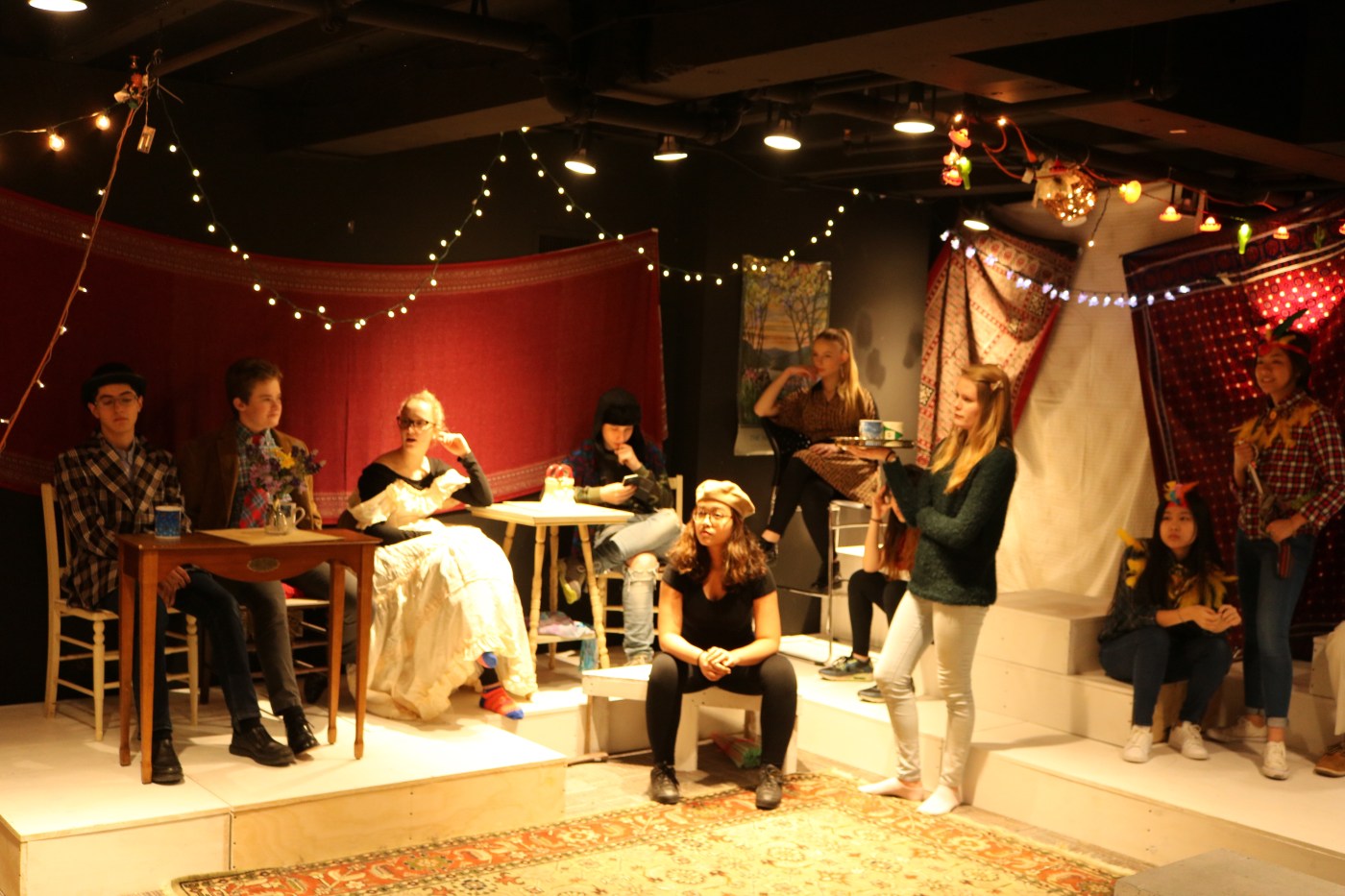
The Sun Arrives Later, CATS first student-directed and produced play, made its debut on February 16 and 17 to an outstanding success. The play grapples with its center conflict of conformity versus non-conformity through the life of Edward (Daniel O’Hare), a schizophrenic accountant in a dystopian world, his adventure to the Bass Café, house of the strange and the eccentric, and his adventure of self-discovery to reconcile between social expectations and personal longings. Told in witty dialogues and enacted through superb students performances, The Sun Arrives Later has not only set precedent as the first student-led production but also high standards for theatre in our community.
I had the chance to sit down with Gabriela Santana Taveras, the director of The Sun Arrives Later, to talk about inspirations, themes, and the possibility of a play within a play.

The title, The Sun Arrives Later, is a perfect embodiment of time as a social construct, a recurring theme in the play. It also reminds me of Ernest Hemingway’s The Sun Also Rises. Would you say that your title was inspired by Hemingway’s? Were there other works that influenced your creative process?

Yes, I was definitely inspired by Hemingway’s The Sun Also Rises, especially in the sense that the characters in my play were also modeled after real people. I also drew inspiration from some of my favorite plays of all time, Waiting for Godot, Equus, and Nice Fish. But I tried not to rely too heavily on classics and existing works, because this is, after all, experimental theater.
Can you tell me more about experimental theater and your experience with it?
Definitely. I think my understanding of experimental theater comes largely from my time at the American Repertory Theater. What we did for the whole first week at the ART was coming up with ideas, and somehow they all came together to create a coherent piece, World Sick. That was what I did for The Sun Arrives Later. I had ideas, but there was no concrete story. We started off with a rough draft and a single question, “Would you choose to conform to society?”, and the actors added on to the plot from there. The play as it was performed must be in its seventeenth-something version, but who’s counting, you know?
Writing a play together from scratch, that must have been very challenging for everyone.
It was, and we struggled quite a bit at the beginning. We actually lost quite a few people after the first few rehearsals. But the people who chose to stay really stepped up their roles and made it happen. The exciting part about experimental theater is, instead of having the actors adjusting for the roles, the actors can adjust their roles to what they see fit. Vladimir is absolutely made for the role for Homeless Many. On the other hand, Peace (Alice Nguyen), the hippie, was built upon Alice’s many suggestions and inputs – the monologue was her idea. And for John (Horacio Ramirez) and William (Caden Stone), I did not initially have any specific plans for them, but Horacio and Caden really took the initiatives and bringing the characters to life.
The actors’ performances went above and beyond my expectations as well. Speaking of John and William, I did notice the chemistry between them. It’s hard to miss out on that, with William comparing the colors of light in the universe to the color of John’s eyes and everything.
I’m glad you caught that! With John and William, and Charlie (Gigi Lai) and Julia (Saule Pranskaityte) portrayed as same-sex couples, Edward and Lily (Sandrine Veilleux) as a heterosexual couple, and Jean as a transgender, I really want to represent the whole spectrum.
That’s interesting; I did not notice that Jean was a transgender.
Jean was supposed to be transgender, and only Sebastian (Pranav Sultania) sees Jean for who she is. The casting did not go to plan, however, so that might have been a bit hard to notice.
Representing the whole spectrum, is that the underlying political message that you want to get across to your audience?
Yes and no. I’d say that it’s part of the larger theme of conformity versus nonconformity. You see, when I first became a part of the ART ensemble, I was really shocked. There were gays, lesbians, bisexuals, and even a transgender in the cast. The LGBTQ community is very under-represented in my country, and so, although I did not have any prejudices against them, it felt odd at first. Representation, I realized, it’s very important. I want my art to bring the LGBTQ community into the spotlight. I want to show everyone that we are all the same. I mean, John and William have a more child-like affection for each other, while Charlie and Julia’s relationship is more serious where there are responsibilities involved. But, in the end, love is love.
You said that the LGBTQ visibility is only part of the overarching theme of conformity and non-conformity. What are the other aspects in this conflict?
I think there are few subdivisions: ordinary lives versus the extraordinary lives of the artists, time as defined by society versus time inside Edward’s mine and the flow of time inside the Bass Café, civilization, as embodied by the Doctor (Norah Laoui), versus the wilderness, Homeless Many and the Tainos (Victoria Shi, Anna Merzliakova, and Shirley Li), and reality and Edward’s version of it.
Edward’s version of reality – can you tell me more about that?
So the play starts with Edward at the Doctor’s office right? Edward talks about his anxiety and hallucinations, but he says that the Doctor won’t ever understand, to which the Doctor urges him to explain it to her. At the end, when the police (Amber Nguyen and the production team) has shut down the Café, Homeless Many asks Edward to join him in the jungle, the Doctor also comes out from behind and asks Edward to come with her instead.
Since the play ends there, are you leaving it open to interpretation?
Or maybe everything, the Café, the artists, the police, is all in his head.
Wait, so none of it actually happens?
It is open to interpretation.


How to Survive Spring Break

By: Jackie Kovalcin

The recent warm weather we’ve been having can ignite excitement in anyone for spring break. Who doesn’t love a three-week break from school, the routine of classes, and endless amounts of homework? Below I have listed a few tips on how to get the most out of your 2017 spring break vacation.

Spend time with family: When you live here at CATS, you’re not living with your family. By the end of this 8-week period, you may be starting to feel a bit homesick. Take advantage of the three weeks by having fun with your siblings and your parents, even if that means sacrificing time that you could be hanging out with your friends. Your parents will enjoy it more than you know, and you won’t regret time spent with them later.

Sleep, sleep, sleep! When you’re given the opportunity to sleep in every day for three weeks, take advantage of it! Catch up on all the all-nighters and get some rest. It will benefit your mind and body immensely.

Eat! This is a given, but here at CATS you may not have access to your favorite meals and foods that you have at your home. Spring break is an opportunity to enjoy home-cooked meals with your family. Meals are a great way to enjoy conversation with your family and enjoy some delicious food.

Work on your New Year’s Resolution : Want to read more? Get fit? Learn new hobbies? Get organized? A break from school is just what you need. Surround yourself with motivation, create a routine, and have fun! This is a great time to work on yourself and try new things.

Get Outside : With the temperature increasing and the grass turning green, springtime is the perfect time of year to get some fresh air. Try going for a walk/run, plant a garden, ride a bike, go for a hike, or visit the beach (although the water may be a bit cold for swimming).

Enjoy your hometown: Go to your favorite places you may not have the chance to here at CATS Academy. Have your favorite drink at your favorite café, find a great new book at your town’s library, or have a photoshoot at your favorite locations!

CATS Cultural Fair Was A Success!

By: Anna Merzliakova

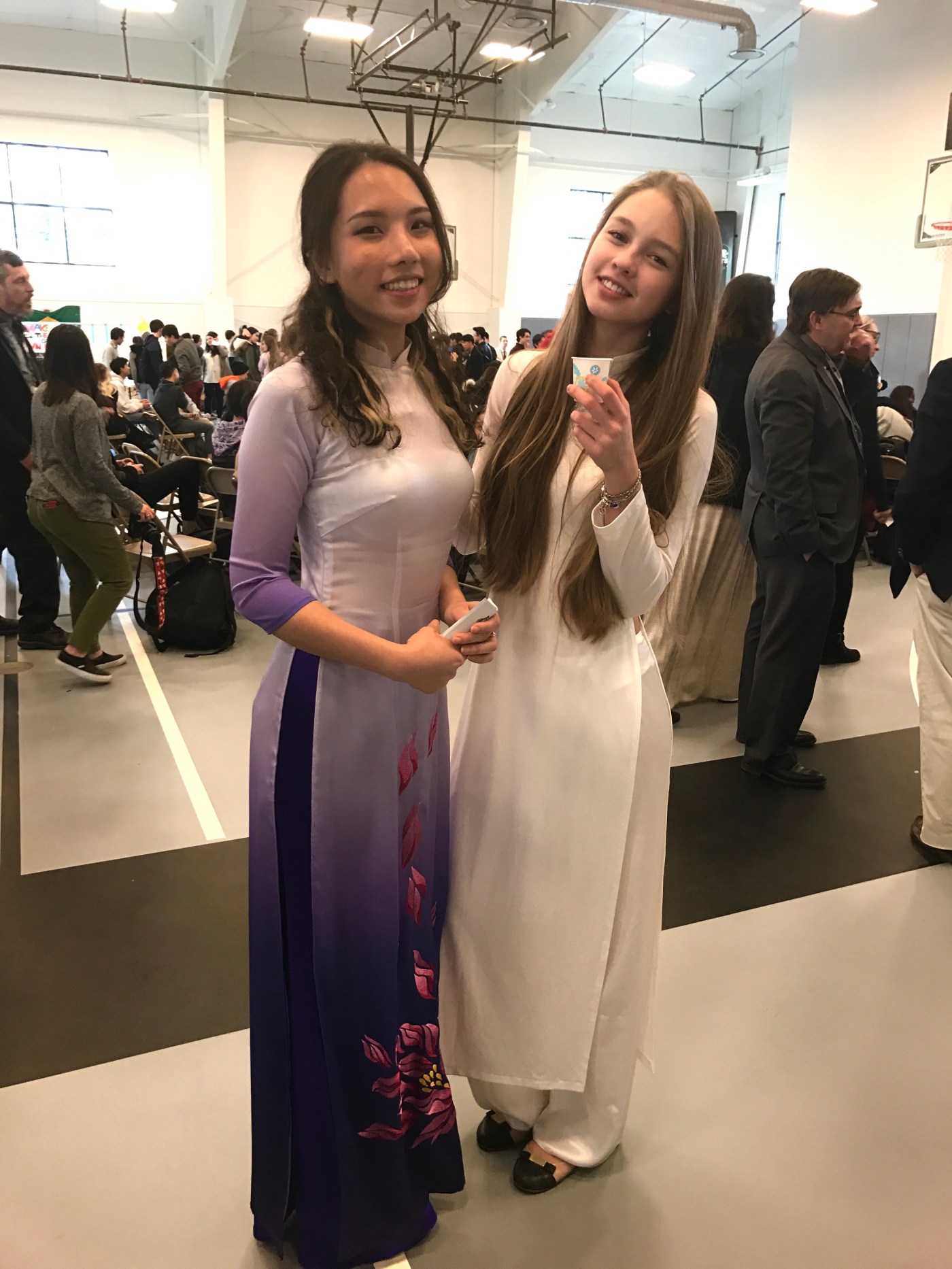
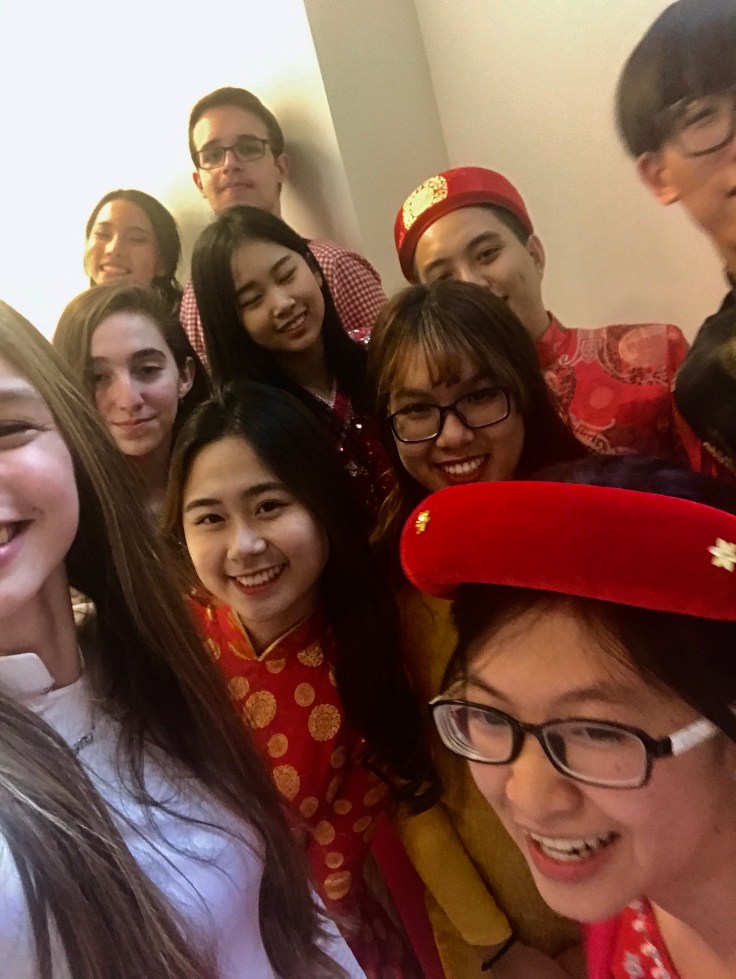
Have you ever wondered how it would be to wear a Vietnamese dress and to dance to Latin American music? Strange combination right? Although I didn’t think it would be possible, it happened at the wonderful CATS Academy Boston Cultural Fair. The successful event was organized by Ms. Romash, Mrs. Carroll, additional CATS Boston faculty, and many of the enthusiastic international students who attend CATS Academy Boston.

The Cultural Fair succeeded by giving students an opportunity to represent something special from their home nation. The fair started off with a Mexican band performing authentic music from Mexico. Students, meanwhile, had the opportunity to roam between cultural tables representing the vast majority of the 32 nations present at CATS Academy. Students were seen eating guacamole, churros, Asian noodles, Brazilian desserts, British tea and crumpets, hummus, and drinking Taiwanese bubble tea. The event then transitioned to musical chairs, a wonderful fashion show, and student musical performances. These performances were commemorated with  lots of colorful photos and videos taken that day with even more smiles shared among friends from all over the world.

The 2017 CATS Cultural Fair will not just be remembered by the pleasant memories, but will truly represent the bright future for the event at CATS Academy Boston. We can take this success to continue creating a comfortable home-like environment for all students at CATS Academy.

as


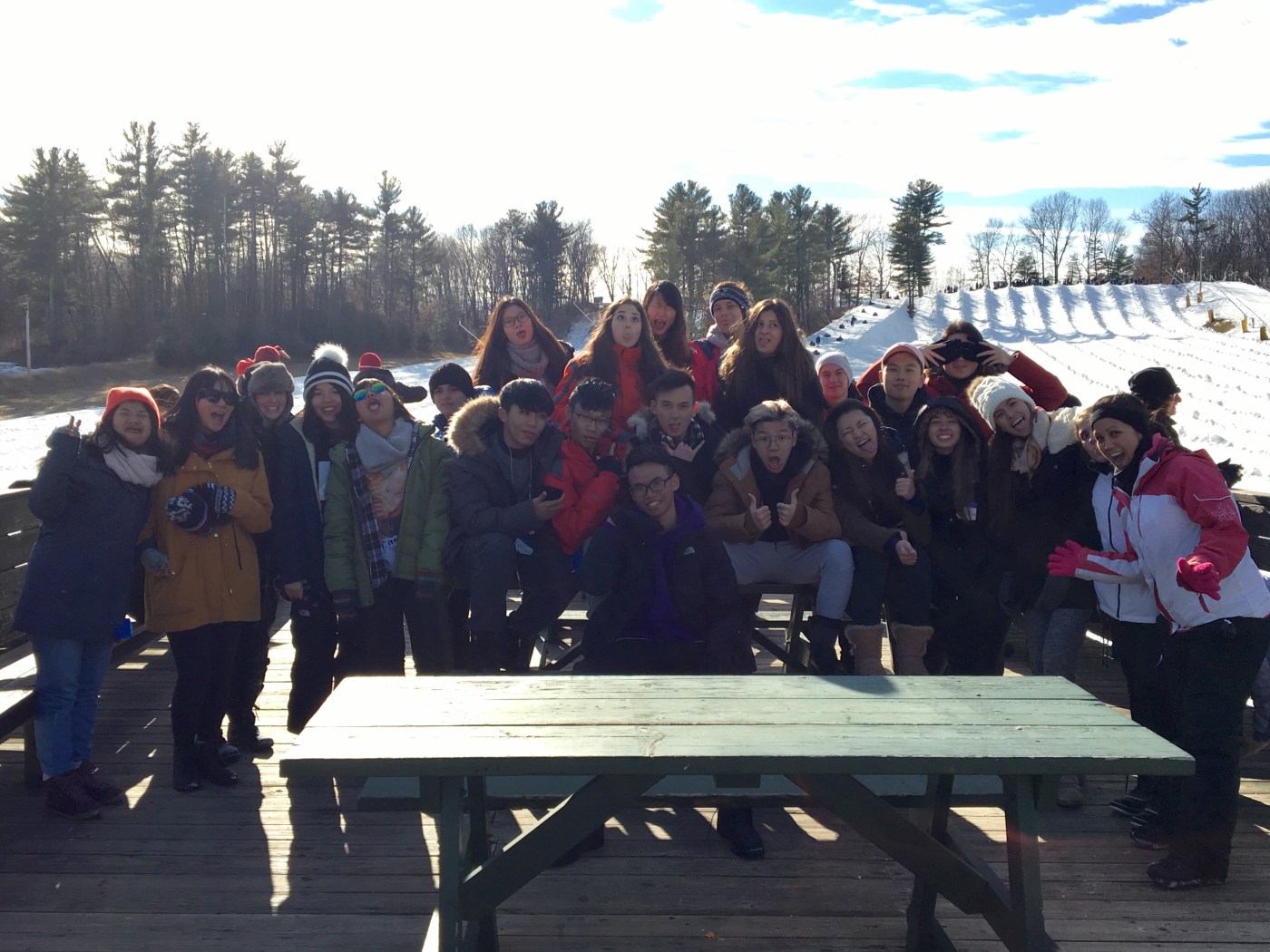
Tubing Trip at Nashoba Valley

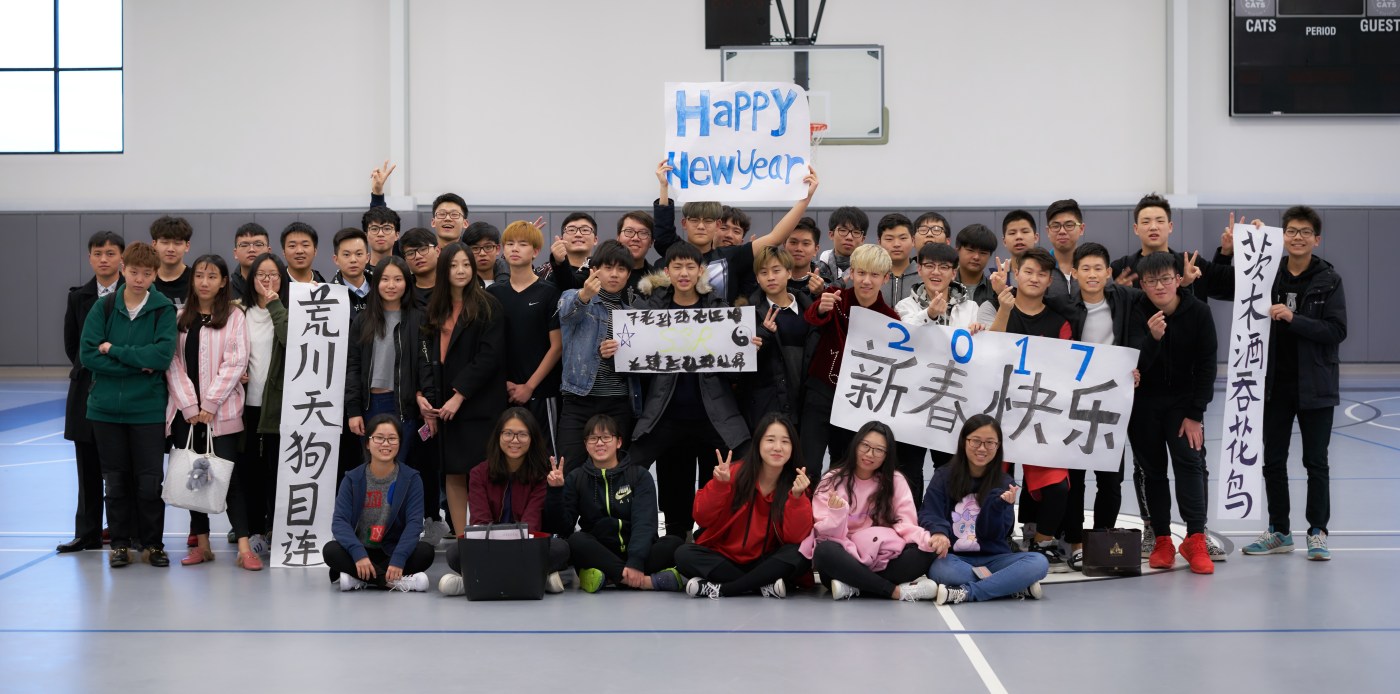
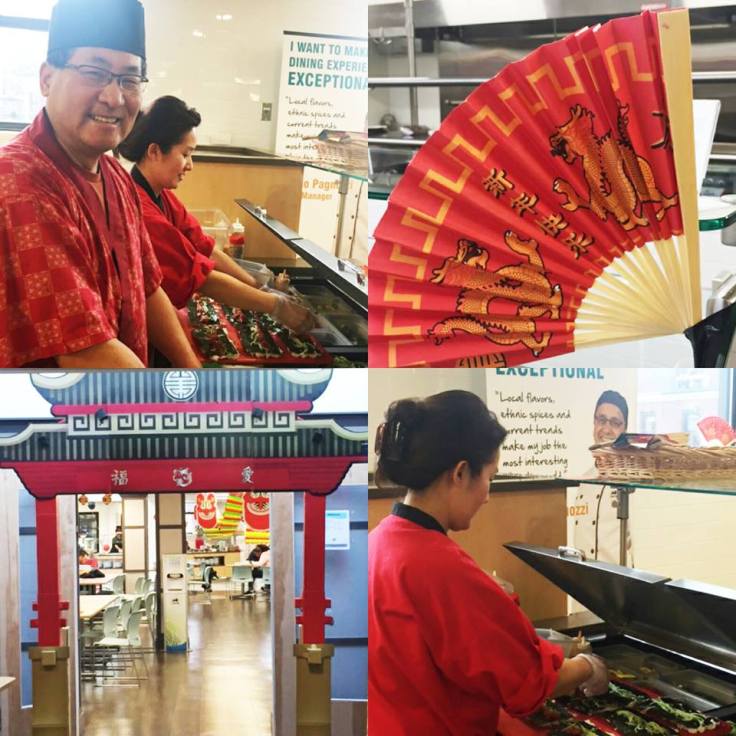
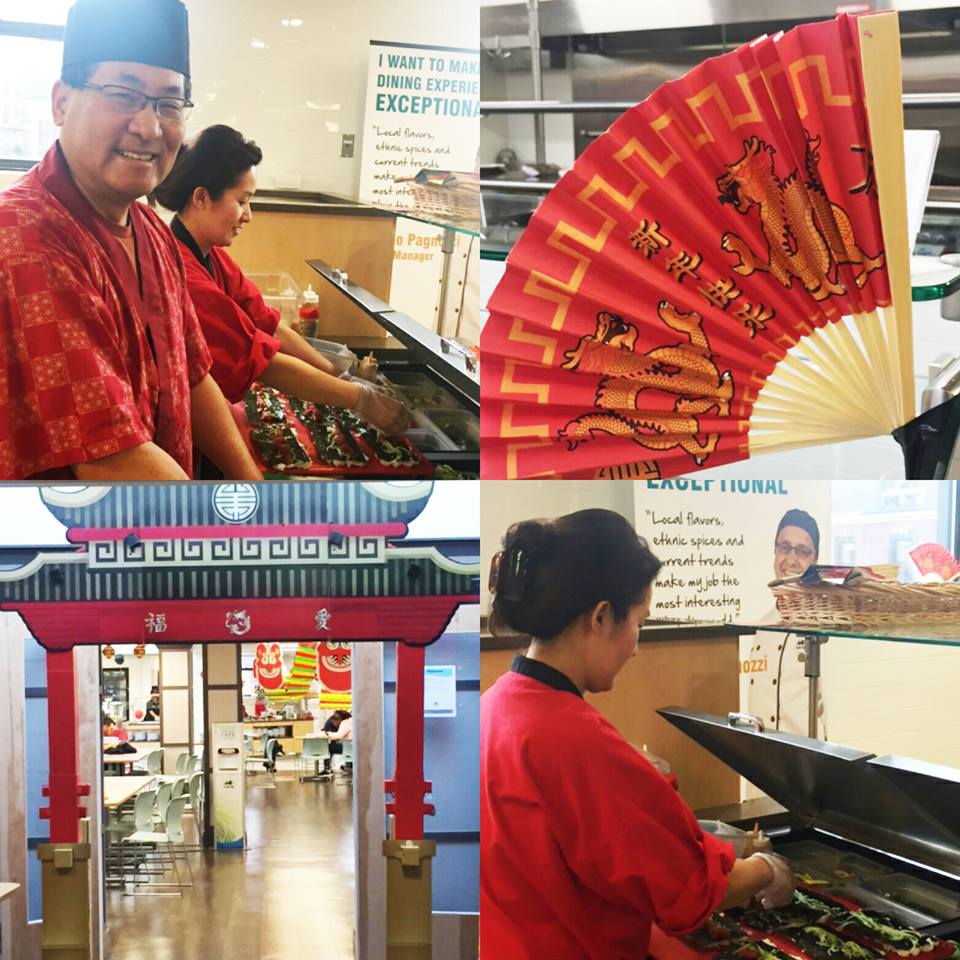
Chinese New Year’s Celebration 2017

Photo Credit: Leon Wei408356012379481776.jpg

16195883_1380073968701220_8840332958625692120_n

Different Cultures and Food United in One Country

By: Tristan Fornari Hospital

The community of Cats is very diverse regarding the different cultures that makes up the school. Our students come from countries all over the globe including, Brazil, China, Mexico, Vietnam, Russia, Albania, and more. Although each of have different life experiences, we are all united in one community and live in the United States. CATS Academy Boston truly exemplifies the concept of America being a melting pot with different cultures, foods, traditions, and thoughts. Food is truly an excellent example of how each culture uniquely identifies itself. Each country has their own unique traditional foods. I have found that going to another country with its own food can be especially hard when it’s your only choice. The positive is that you can try other cultures’ foods that haven’t tried before.

“Food from this country is very different. In my country, the food is more homemade and less from factories or  [processed]food. It can be very hard to adapt because the food can be too greasy,” said Ivan Osipov from Russia. He also said that he would like if the cafeteria tried to make some Russian entrees.

“It’s very different in my country. People eat from a big plate and share with chopsticks,” remarked Lo Tsz Fung. Lo later stated, however, that it’s not hard to adapt because some of the food that they serve in the cafeteria is like his native country of China.

American culture related with food is very different compared to a lot of cultures. American meals are eaten in very large quantities compared to many different cultures. The food in United States contains a lot more calories than other cultures, can lead to an unhealthy lifestyle. An advantage of CATS Academy is that a lot of cultures have access to food of their country. This is thanks to the cafeteria providing a variety of food. Special occasions like the lunar year give us the chance to try food from other cultures.

In conclusion, the community from CATS Academy Boston is very diverse in culture, which may seem difficult to adapt to the food. In reality, though, the CATS Academy teachers, dorm parents, and staff make the transition as smooth as possible.

Create a website or blog at WordPress.com

Up ↑

Design a site like this with WordPress.com
Get started